  1. Tags/

Supply-Chain

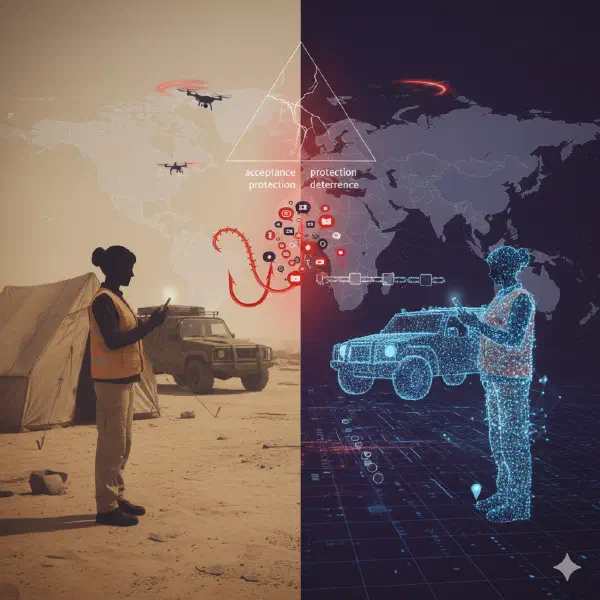
Humanitarian Security in an Age of Uncertainty: The Intersection of Digital and Physical Risks

The leading humanitarian security network documents how digital attacks translate to physical harm through disinformation endangering field staff, supply chain compromises, and shared infrastructure risks. The report adapts the traditional NGO security triangle (acceptance, protection, deterrence) to digital contexts and identifies critical gaps in staff training and resource equity between headquarters and field.

NIS2 Directive

The NIS2 Directive establishes a harmonized cybersecurity baseline across the EU. It covers ’essential entities’ (energy, transport, banking, health, digital infrastructure) and ‘important entities’ (postal services, waste management, manufacturing, digital providers). Organizations must implement appropriate technical and organizational measures, conduct regular risk assessments, have incident response plans, and ensure business continuity. Incident reporting has strict timelines: early warning within 24 hours, incident notification within 72 hours, and final report within one month. Management bodies must approve cybersecurity measures and can be held personally liable for non-compliance. Member states must establish CSIRTs and cooperate through the EU Cyber Crisis Liaison Organisation Network.