Developers
Software developers and engineers building applications and systems.
You hold the keys to Norway's digital independence. Your technical choices — open standards over vendor SDKs, containers over serverless, portable databases — determine whether critical services can function on their own. Every line of code is a vote for sovereignty.
NDC Oslo 2026
Major 5-day software developer conference with 160+ sessions, 150 speakers, and 12 workshops covering modern development practices, architecture, security, and emerging technologies.
Security Festival 2026
Norway's largest gathering for cybersecurity and information security professionals, with high relevance for total defence and NIS2 compliance.
Oslo Tech Show 2026
Nordic region's leading exhibition for innovation and technology, featuring AI, cybersecurity, cloud, DevOps, mobile, infrastructure, and datacenters. Free entry with world-class speakers and hands-on demos.
Total Defence Cybersecurity Conference 2026
Conference focused on cybersecurity, digital sovereignty, and total defence. Arena for exploring how totalforsvaret can be strengthened through open dialogue, expert deep-dives, and political perspectives.
NDC Security 2026
Security conference for software developers featuring 60+ sessions, workshops, and presentations on application security, DevSecOps, and secure coding practices.
HackCon #21
The Norwegian Cyber Security Convention. Norway's premier IT security conference for technical and strategic security professionals, featuring over 1600 presentations on vulnerabilities, research, and best practices.
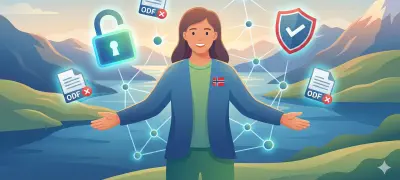
Take Control: How You Can Protect Your Digital Life and Help Norway Stay Sovereign
You have the power to protect yourself from being locked out of your own computer. Small steps toward open standards create personal insurance and national sovereignty.
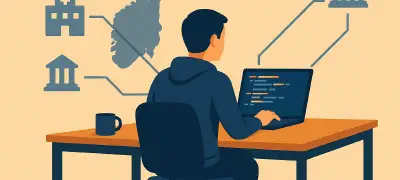
You, the Developer, Hold the Keys to National Sovereignty
Why your technical decisions matter for your country's independence - and what you can do about it
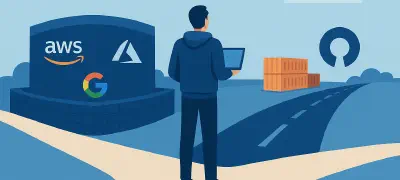
Cloud Vendor Lock-in: The Hidden Cost of Developer Convenience
How quick decisions to use proprietary cloud services create long-term migration debt and what organizations can do about it
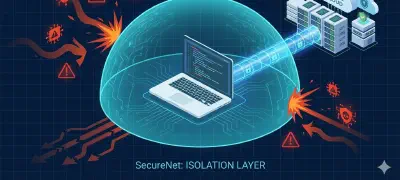
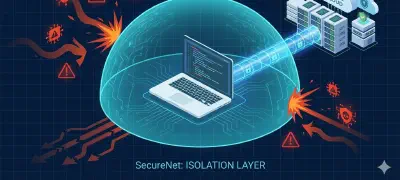
SecureNet
Remote workers are prime targets for state-sponsored attacks. SecureNet ensures that even if a developer's laptop is compromised, attackers cannot pivot into your critical infrastructure - essential protection against foreign cyber operations targeting your organization.
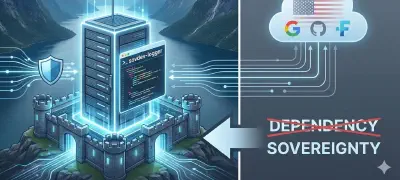
sovdev-logger
Application telemetry often flows to foreign cloud providers, exposing operational patterns and sensitive metadata. sovdev-logger works with self-hosted backends like Grafana and Loki, keeping your observability data under your control and jurisdiction.
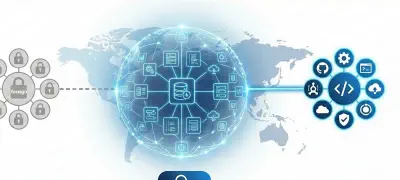
Software Database
Every foreign SaaS tool is a potential backdoor for extraterritorial data access. This database helps organizations identify European and open-source alternatives to reduce dependency on US Cloud Act-subject vendors and maintain data sovereignty.
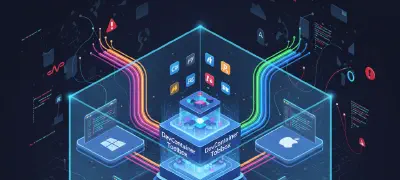
DevContainer Toolbox
Cloud-based IDEs like GitHub Codespaces send your code through foreign infrastructure. DevContainer Toolbox provides the same convenience locally, keeping your source code and development activity within your own security perimeter.
Urbalurba Infrastructure
Cloud lock-in is sovereignty lock-in. Urbalurba provides identical infrastructure locally, on-premises, and in any cloud - giving you true portability and the freedom to move workloads to sovereign providers without rewriting applications.

Bifrost
You cannot secure what you cannot see. Bifrost maps your entire application landscape and data flows, revealing hidden dependencies on foreign services - the essential first step in any sovereignty assessment or migration planning.
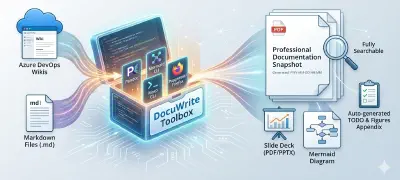
DocuWrite
Cloud document services scan your content and may share data with foreign authorities. DocuWrite runs entirely locally, ensuring sensitive documentation never leaves your infrastructure - critical for classified, legal, or confidential materials.
AI Act
World's first comprehensive AI law establishing a risk-based framework that prohibits certain AI practices and regulates high-risk systems.
CRA
EU regulation establishing mandatory cybersecurity requirements for products with digital elements sold in the EU market.
Data Act
EU regulation establishing rules for data sharing, public sector access to private data, and cloud switching rights.
DGA
EU regulation creating a framework for data intermediaries and data altruism organizations to facilitate trusted data sharing.
DMA
EU regulation imposing obligations on designated 'gatekeeper' platforms to ensure fair competition and contestability.
DSA
EU regulation establishing platform liability rules and transparency requirements for online intermediaries and marketplaces.
ePrivacy Directive
EU directive protecting privacy in electronic communications, covering cookies, spam, and confidentiality of communications.
TOLA Act
Australian law enabling authorities to compel technology companies to build backdoors, assist with decryption, and provide technical capabilities for surveillance.